


Start With the Stones Beneath Your Feet
Britain is not a country of headline gem finds. We have no sapphire gravels, no emerald mines, no desert opal fields. What we do have is something subtler and, to my mind, more rewarding: a geologically restless landscape that keeps turning up agate on Cornish beaches, smoky quartz in Highland burns, jet on the Yorkshire coast and banded fluorite in Derbyshire hillsides. You do not need a mine, a permit or expensive equipment. You need a pair of boots, a notebook, a hand lens and a willingness to look at hundreds of ordinary pebbles before one of them rewards you.
This guide will not turn you into a mineralogist in an afternoon. What it will do is sharpen your eye, so you can tell a hopeful stone from a promising one — and know the point at which a local expert should take over.
Four Clues to Read Before You Pick Anything Up
Names matter less than observation. Learn to read these four qualities and you will already be ahead of most beachcombers.
- Lustre. How does the surface throw back the light? Glassy, waxy, greasy, silky or dull? Agate usually looks waxy or glassy; jet looks almost velvety; serpentine has a soapy, faintly greasy sheen.
- Colour and how it is arranged. Banding that runs in concentric rings or parallel stripes is a strong hint of chalcedony family stones. Mottled, patchy colour suggests serpentine or a mixed rock.
- Translucency. Hold the stone up to daylight, or shine a torch behind it. Chalcedony and smoky quartz glow warmly; flint and jet stay stubbornly opaque.
- Texture and weight in the hand. Grainy, smooth, gritty or cold? Jet feels remarkably light and warm for a black stone. Iron-stained pebbles feel like ordinary rock with a stain sitting on top.
Combine at least three clues before you write anything down, and write "possible" rather than "certain". Honest notes are far more useful than confident ones.
Cornish Agate and the Pebble Beach Problem
Cornish agates are chalcedony that formed inside cavities in volcanic rock, then were freed by erosion and polished for centuries by the sea. On a beach they appear as rounded pebbles with a waxy surface — greys, creams, rusts and honey tones, often with fine concentric banding and sometimes a small drusy quartz centre. Wet them and the colours deepen dramatically, which is why the best hunting happens after rain or along the tide line.
The common confusion is flint and chert. Both are close cousins of agate, but flint is typically darker and more opaque, often with a chalky white cortex, while agate shows structure and lets some light through. Quartz pebbles look glassier and fracture differently. Please do not crack pebbles open to check — you will learn more from the outside, and broken stones are lost stones.
Cairngorm: Scotland's Smoky Treasure
Cairngorm is simply smoky quartz, named after the mountains where it was traditionally found in granite cavities. Colours run from pale tea through amber-brown to a deep brown-grey that looks almost black indoors. Look for a glassy lustre, good translucency and a colour that seems to come from inside the stone rather than sitting on its surface. Stream beds after heavy rain are excellent places to look, as is gravel washed out of upland burns.
Telling it apart from brown flint or iron-stained quartz takes practice. Smoky quartz has a clean, even transparency and a curved, shell-like fracture; iron staining tends to follow cracks or coat the outside. Hold a deep one to a bright window and it will glow a rich tobacco brown. Many old Scottish brooches and kilt pins are set with them, so your first genuine Cairngorm may well be in a jewellery box rather than a river.
Jet, Serpentine and Other British Regulars
Once your eye is in, other local stones start appearing everywhere.
- Whitby jet. Fossilised wood, deep black, very light and warm to the touch. Warm it in your hand and it stays warm; black glass and onyx feel cold. It is soft, around 2.5 to 3 on the Mohs scale, so never scratch-test a good piece.
- Cornish serpentine. Mottled green, red and grey with a soapy, waxy feel. Often carved into ornaments, and easy to recognise once handled.
- Blue John. Banded fluorite from Derbyshire, purple and blue with yellow or white bands. Beautiful and very soft — around 4 on Mohs — so treat any fragment gently.
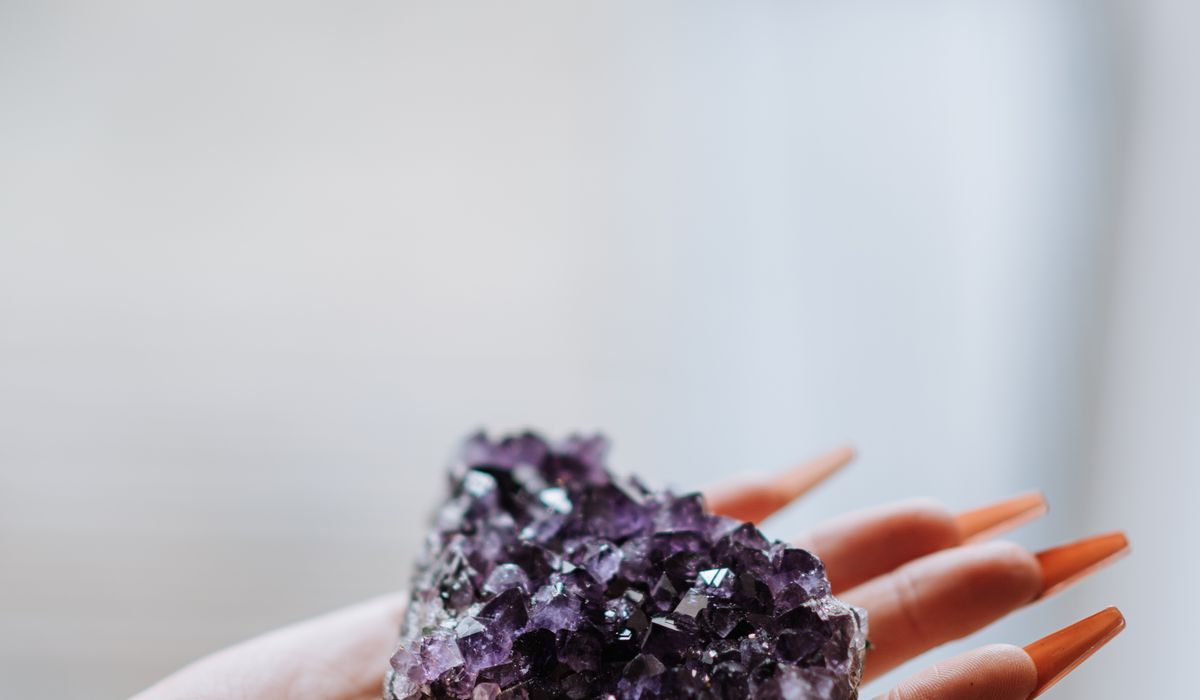
- Amethyst and clear quartz. Found in scattered pockets across Wales, Scotland and the south-west. Whole points are rare; look instead for glassy violet or colourless pebbles with internal fractures and a bright, clean sparkle.
- Flint and chert. Overlooked but genuinely lovely. Banded flint can mimic agate convincingly, and it deserves a place in your collection rather than the back of the garden.
Quiet Fieldcraft: Looking, Recording and Asking
Collect gently and legally. Do not hammer bedrock or cliff faces, stay away from designated protected sites, and never assume a beach is open to collecting — foreshore ownership varies and some areas are strictly protected. Take only loose, surface material, and only a little.
Record as you go: location, date, whether the stone was wet or dry, and a rough scale photograph with a coin alongside. Clean finds with water and a soft brush only — no acid, no tumbler, no abrasives until you know what you have. Then get a second opinion. A county museum's geology curator, a local geological society or a lapidary club will happily look at a well-observed find, and hearing exactly why a stone is or is not what you hoped is where the real learning happens.
Identifying stones is a slow, cumulative skill, and that is precisely its charm. Every misidentified pebble teaches you something. Keep a small notebook, return to the same beach through the seasons, and let the looking itself become the practice — a few quiet hours of close attention, pockets full of grey stones, and one small amber glow that turns out to be exactly what you thought it was.


Leave a reply