


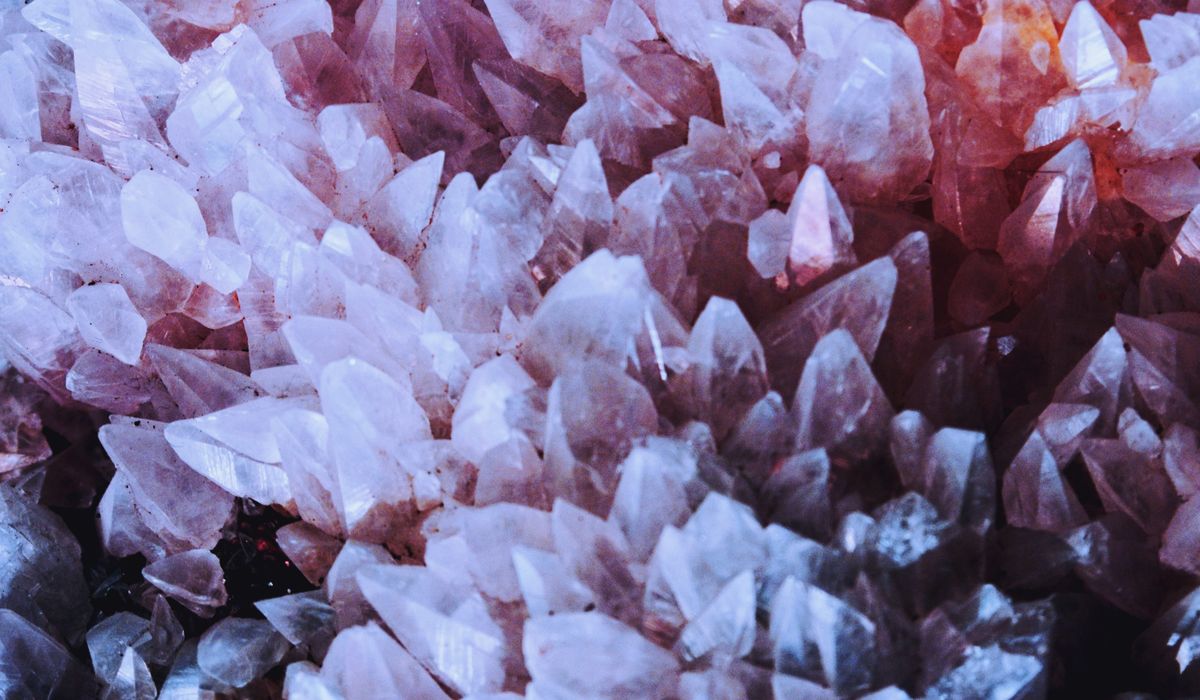
Why Amethyst Needs a Gentler Approach Than You Might Expect
Amethyst is one of the most forgiving stones in most collections, which is precisely why so many of us treat it a little too casually. It sits around 7 on the Mohs scale, so it can scratch glass without much effort, but that same stone carries a weakness that has nothing to do with hardness: its colour. That deep violet comes from iron impurities and natural irradiation within the quartz, and it is not entirely stable. Leave a favourite cluster on a sunny windowsill for a few months and you may notice it looking paler, greyer and rather tired, as though it has lost interest. That fading is usually permanent, and no amount of cleansing will bring it back.
The good news is that keeping amethyst clear and refreshed is simple once you work with the stone rather than against it. Cool water, a soft cloth and a few minutes of quiet attention will do far more than any aggressive method. This guide covers what to use, what to avoid, and how to build cleansing into a mindful routine that protects both the polish and the colour.
Three Things Amethyst Dislikes: Strong Sun, Sudden Heat and Harsh Chemistry
Before choosing a method, it helps to know exactly what you are protecting the stone from.
- Direct sunlight. Ultraviolet light is the main cause of colour loss in amethyst. A south-facing windowsill in summer is the worst possible resting place. A short spell in daylight is harmless, but weeks of strong sun are not.
- Rapid temperature change. Amethyst can fracture internally when moved quickly between hot and cold. Never pour hot or boiling water over it, never place it in a freezer, and never carry a cold stone into a warm bath for a soak.
- Harsh chemicals and abrasives. Bleach, ammonia, acetone, jewellery dips, ultrasonic cleaners and steam cleaners can all dull the surface or loosen inclusions. Bicarbonate of soda scrubs are best kept for the sink, not the crystal shelf.
Physical knocks matter too. Amethyst chips and fractures along uneven edges, so treat pointed clusters and carved points as you would any fragile ornament. Handle them by the base, not the tip.
A Safe Water and Intention Cleanse, Step by Step
Cool or room-temperature water is all you need for the vast majority of amethyst pieces, including tumbled stones, points, clusters and most jewellery settings, provided the metal is not plated or glued.
- Prepare yourself first. Wash your hands, clear a quiet surface and take three slow breaths. Cleansing works best when it is deliberate rather than rushed.
- Use cool or tepid water. If your tap water is heavily chlorinated or very hard, filtered or bottled water is kinder. Add nothing else, no salt, no soap, no essential oils.
- Lower the stone in gently. Support large clusters from underneath so they do not knock against the bowl.
- Soak briefly. Five to ten minutes is plenty. Avoid leaving amethyst to soak overnight, particularly pieces with pyrite or iron-rich matrix, as prolonged water exposure can affect the surrounding material.
- Rinse softly. Lift the stone out and pass it under a gentle trickle, or simply rinse it in a second bowl. Never hold a delicate cluster under a hard jet.
- Pat dry, do not rub. Use a soft cotton or microfibre cloth, and pay attention to the base and any crevices where water pools. Trapped moisture dulls the appearance and can encourage marks.
- Hold and set your intention. Once dry, cup the stone in both hands for a minute or two. Name what you want to release and what you want to invite. This is the part that turns cleaning into cleansing.
Gentle Alternatives When Water Isn't Practical
Some pieces, such as amethyst set in glued jewellery or combined with water-soluble minerals, are better cleansed without any moisture at all.
- Sound. Hold a singing bowl or tuning fork close to the stone and let it ring for a few minutes. It is gentle, contact-free and easy to repeat weekly.
- Smoke. Pass dried herbs or resin through the stone's aura briefly. Keep it short so soot does not settle into the crevices.
- A selenite plate or cleared quartz cluster. Rest your amethyst on either overnight. Store selenite separately, as it is soft and water-soluble.
- Moonlight. A full moon on a windowsill overnight is lovely and entirely safe. It is sunlight you are avoiding, not moonlight, though keep the stone away from radiators.
- Brown rice. A traditional method, but only for smooth tumbled stones, and only briefly. Dusty rice can scratch more than it cleans.
Methods Best Avoided with Amethyst
- Salt in any form. Dry salt beds, saltwater soaks and salt rubs are abrasive and leave residue in cracks. Over time they dull the polish.
- Boiling or very hot water, which risks thermal shock.
- Ultrasonic and steam cleaners, however convenient they seem.
- Chemical jewellery dips and household cleaners.
- Long burial in gritty soil. If earth cleansing appeals, wrap the stone in cotton first and keep it to a few days.
- Weeks on a sunny sill. A few hours will not ruin amethyst, but habits over months will.
Drying, Storing and the Mindful Habit That Keeps Its Shine
Once your amethyst is dry, store it in a soft pouch or a lined box, out of direct light and away from harder stones that could scratch it. Keep the base of clusters dry and check them after any water cleanse. A monthly routine works well for most people: a brief cool rinse if needed, a sound or moonlight cleanse, and two minutes of quiet intention. That small ritual does more for the stone than any intense intervention, and it gives you a regular pause in an otherwise busy week. Treat amethyst as a companion rather than an object to be scrubbed, and its colour and calm will reward you for years.


Leave a reply