


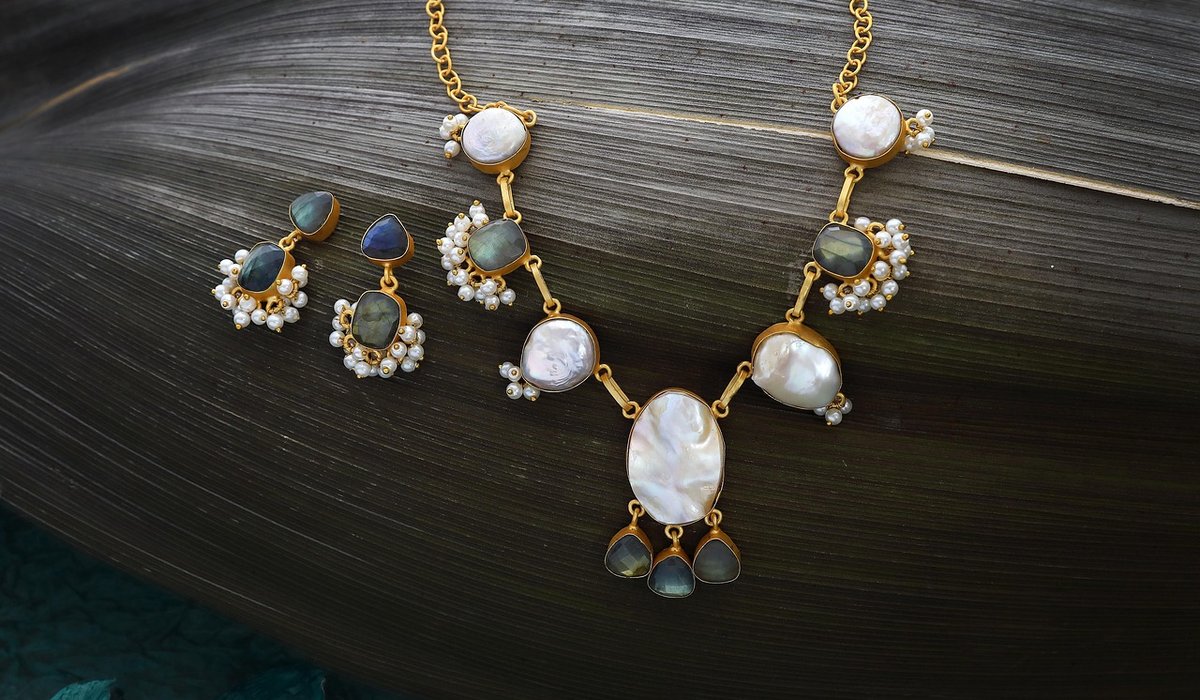
Start With Hardness, Then Fall for the Colour
When a gemstone catches your eye in a shop window, it is rarely the science that sells it. Colour, sparkle and the way light moves through the stone are what draw us in — and they should be part of the decision. But for a ring or bracelet you intend to wear every day, hardness has to come first, because a beautiful stone that scratches within a fortnight is a heartbreak waiting to happen.
Gemstones are graded on the Mohs scale, from 1 (talc) to 10 (diamond). The critical number is 7, because household dust contains quartz, which sits at exactly 7. Anything softer will collect fine scratches simply from daily life: reaching into a handbag, wiping a worktop, typing at a desk.
- Excellent for everyday rings: diamond (10), sapphire and ruby (9), moissanite (9.25), spinel (8), topaz (8)
- Fine with a little care: amethyst, citrine, smoky quartz and tourmaline (7–7.5), garnet (6.5–7.5)
- Happier in pendants and earrings: opal, moonstone, tanzanite, turquoise, pearl and lapis lazuli
Hardness is not the whole story, though. Emerald sits at a respectable 7.5–8, but it is almost always internally fractured, which makes it chipping-prone in a ring. Topaz is an 8 but has perfect cleavage — one sharp knock at the wrong angle and it splits cleanly in two. If you love a fragile stone, wear it somewhere it will not meet doorframes.
Match the Stone to Where the Piece Will Live
Think honestly about your hands. A ring takes more punishment than any other piece of jewellery: door handles, shopping trolleys, gym equipment, the washing up. A bracelet comes second, spending its day knocking against desks and keyboards. Pendants and earrings lead a far gentler life, which is why they are the natural home for softer, more delicate stones.
Consider the setting as well as the stone. A bezel setting, where metal wraps right around the edge of the gem, protects it far better than tall prongs. A low-profile setting sits closer to the finger and catches on less. If you are active, a bezel-set stone of 9 or 10 on the Mohs scale will outlast a prong-set 7 every single time.
Occupation matters too. Nurses, cooks, gardeners, hairdressers and anyone else who works with their hands should lean towards corundum, diamond or spinel for rings — or choose a necklace instead and save the softer stones for there.
Choose Colour That Suits Your Wardrobe
Hardness decides whether a stone survives. Colour decides whether you actually wear it. A gem that fights with everything in your wardrobe will sit in a drawer, however tough it may be.
As a rule of thumb, warm skin tones — golden, olive, deep — tend to glow beside yellow gold, citrine, garnet, carnelian and warm-toned sapphires. Cooler, pinker complexions usually suit silver, white gold, platinum, amethyst, aquamarine, blue sapphire and rose quartz. Rose gold is a lovely bridge and flatters almost everyone.
Then look at your clothes. If your wardrobe is mostly navy, charcoal and denim, a bright ruby or emerald will sing as an accent. If you live in creams, camels and soft prints, smoky quartz or champagne topaz will feel far more natural. A stone that echoes a colour you already wear will get ten times the wear of one that demands a whole new outfit to justify it.
Spend Where It Shows
You do not need a large budget to own a durable everyday piece. A few practical routes:
- Buy smaller and better. A modest, well-cut sapphire outperforms a large, cloudy one in both looks and longevity.
- Consider lab-grown. Lab-grown diamonds and sapphires share the hardness and composition of mined stones, usually at a lower price.
- Accept the right treatments. Heated sapphires and rubies are standard and stable. Filled emeralds and fracture-filled diamonds are far less so.
- Put money into the setting. A well-made bezel in 9ct gold or sterling silver protects a modest stone better than a flimsy prong setting around a costly one.
It is also worth asking what you actually want the piece to do. A ring you never take off needs different qualities from one worn on evenings out, and being honest about that will save you money and disappointment.
Habits That Keep Everyday Stones Looking New
Even a diamond deserves a little consideration. Take rings off before swimming — chlorine and salt water damage metal and loosen settings — and before gardening, cleaning or lifting weights. Pearls, opals and emeralds should never go into an ultrasonic cleaner; a soft cloth and lukewarm water is plenty. Store pieces separately so harder stones do not scratch softer neighbours, and have prongs checked once a year by a jeweller.
Choose a stone that suits your hands, your wardrobe and your budget, and it will reward you for decades rather than disappointing you within months.


Leave a reply