


Pull the lever, watch the reels spin, and feel that familiar jolt of anticipation. That moment is the beating heart of iGaming. But here is the uncomfortable truth that separates a casual player from a savvy one: the math does not care about your gut feeling. Whether you are chasing a jackpot on a video slot, grinding a cash game in Texas Hold'em, or sweating a parlay on a Sunday afternoon, understanding the mechanics behind the curtain changes everything. This is not a lecture about quitting. It is a guide to playing smarter, lasting longer, and actually enjoying the ride without falling for the myths that empty bankrolls.
House Edge: The Invisible Tax You Never See Listed
Every game in a casino or sportsbook carries a built-in advantage for the operator. The industry calls it the house edge. Players call it the reason they cannot seem to stay ahead. Ignoring it is like driving without checking the fuel gauge.
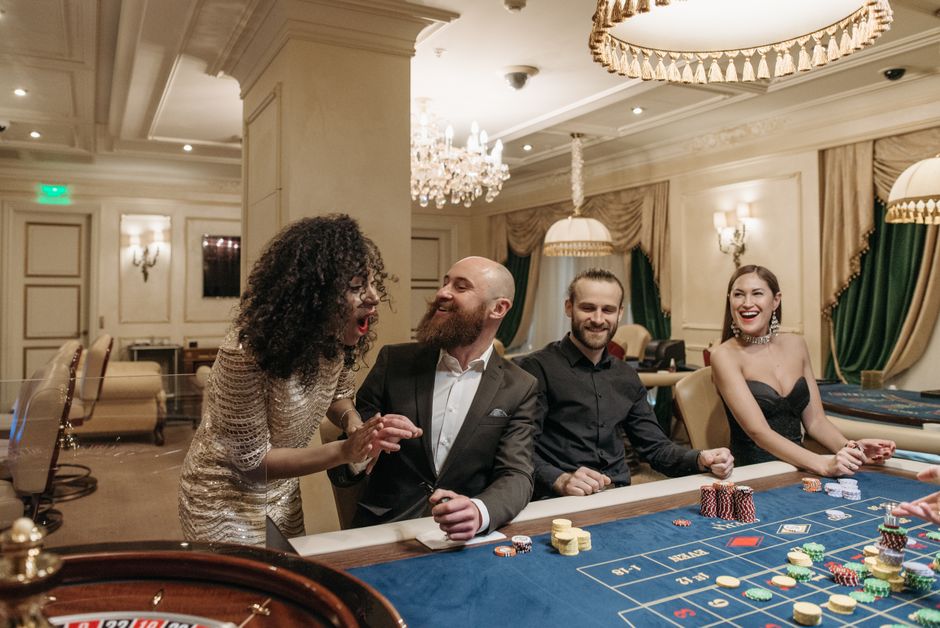
A standard American roulette wheel has a 5.26% house edge. That single green zero and double zero pocket are the entire reason. European roulette cuts that nearly in half to 2.7% because it only has one zero. Over a thousand spins, that difference adds up to serious money. Slot machines are trickier. Their edge is hidden in the random number generator and the return-to-player percentage, which can range from 85% to 98% depending on the casino and the specific title. A 98% RTP slot disguised behind flashy animations might look identical to an 88% one, but your long-term outcomes will be wildly different.
Blackjack is the fascinating exception. With perfect basic strategy—a chart that tells you exactly when to hit, stand, double, or split—the house edge can drop to around 0.5%. Some rule variations and card-counting techniques can even push it slightly into the player's favor. That is not luck. That is math you can memorize. Some of the clearest guidance on this comes from 88CLB.
Slots: Volatility Is Not the Same as Edge
New players obsess over RTP, but they often overlook the more practical number: volatility. Two slots can share the same 96% RTP and feel completely different.
- Low volatility slots pay small amounts frequently. Your bankroll lasts longer, but you will rarely hit a monster win.
- Medium volatility offers a balanced mix of small and moderate payouts.
- High volatility slots are feast or famine. You might spin 300 times with nothing but dust, then hit a 500x multiplier that erases every loss.
Choosing the right volatility for your bankroll is more important than chasing a high RTP. If you have a $50 budget and want an hour of entertainment, a high-volatility slot that demands $2 per spin will drain you in minutes. A low-volatility penny slot will keep you in the game all evening. Neither choice is wrong, but one is wrong for you.
Also, stop believing in hot and cold streaks. Every spin is independent. A slot that has not paid out in two hours is not due. That is the gambler's fallacy, and it has bankrupted more players than bad luck ever could.
Poker: The Only Game Where Skill Beats the House
Poker is fundamentally different from every other game on this list because you are not playing against the house. You are playing against other people, and the house simply takes a rake. That means a skilled player can actually win long-term.
But skill in poker is not about knowing when to bluff. It is about discipline. The best players fold 80% of their starting hands. They understand position, pot odds, and implied odds. They do not chase draws without the right price. Here is a simple framework for beginners:
- Tight is right. Play fewer hands, but play them aggressively when you do.
- Position matters. Acting last gives you information. Use it.
- Bankroll management is non-negotiable. Never buy into a cash game with more than 5% of your total poker bankroll.
- Track your results. If you are not recording wins and losses, you are guessing. Guessing players lose.
The online poker ecosystem has changed dramatically since the early 2000s. Solvers and HUDs have raised the skill ceiling, which means casual players need to study away from the table if they want to compete. That said, recreational players can still find soft games at lower stakes and in certain tournament formats.
Sports Betting: Where Emotion Costs You Money
Sports betting feels like knowledge. You watch the games. You know the players. So why do so many smart fans lose? Because bookmakers are not setting lines based on who they think will win. They are setting lines to balance the money on both sides and guarantee a profit through the vig, or juice. For more on this, see 88CLB COM.
The vig is usually -110 on a standard point spread. That means you must risk $110 to win $100. To break even, you need to win 52.4% of your bets. That is not a small edge. That is a professional-level win rate.
The biggest mistake recreational bettors make is betting with their hearts. Parlays are the house's best friend because they multiply the edge against you. A four-team parlay at -110 odds pays roughly 12-to-1, but the true odds of hitting all four are closer to 16-to-1. That gap is the house's cut.
If you want to bet sports seriously, focus on a single sport, track your closing line value, and avoid emotion-driven bets after a big win or a tough loss.
The Psychology Trap: Why You Keep Playing When You Should Stop
iGaming is engineered to keep you engaged. Lights, sounds, near-misses, and variable reward schedules are all borrowed from behavioral psychology. Recognizing these triggers is your best defense.
- Near-miss effect: When two jackpot symbols land and the third just misses, your brain reacts almost as if you won. That feeling is a trap.
- Loss chasing: The urge to win back what you lost is the single most destructive force in gambling.
- Session time blindness: Without a clock or a predefined stop-loss, hours vanish. Set an alarm and a hard loss limit before you start.
None of this means gambling cannot be fun. It can be. But fun requires boundaries. Players who treat iGaming as entertainment with a fixed cost, rather than a wealth-building strategy, are the ones who walk away without regret.
The Bottom Line: Play the Player, Not the Dream
The house edge is real. Variance is real. And the only person who can protect your bankroll is you. Learn the math, pick the right games for your temperament and budget, and never let a losing streak convince you that a big win is just around the corner. The smartest players in the room are not the ones who win the most. They are the ones who know exactly when to walk away.


Leave a reply