


What the Mohs Scale Actually Measures
The Mohs scale is a simple but powerful tool. It ranks minerals by their ability to scratch one another, from 1 (talc, easily scratched by a fingernail) to 10 (diamond, which scratches everything else). When you see a gemstone described as "7 on the Mohs scale", it means it can scratch a stone of 6 but will be scratched by one of 8. This relative ranking is why the scale is so useful for everyday choices. It does not measure toughness, however. A diamond is the hardest natural material, yet it can chip if struck at the wrong angle. Jade, for example, is only around 6 to 7 in hardness but is exceptionally tough. So hardness is one important factor among several.
The Scale at a Glance
Here is a practical reference for the stones you are most likely to wear:
- 1–2: Talc, gypsum, amber (2–2.5)
- 2.5–4.5: Pearls (2.5–4.5), coral (3–4), jet (2.5–4)
- 5–6: Apatite, turquoise (5–6), opal (5.5–6.5), moonstone (6–6.5)
- 6–7: Peridot (6.5–7), tanzanite (6–6.5), labradorite (6–6.5)
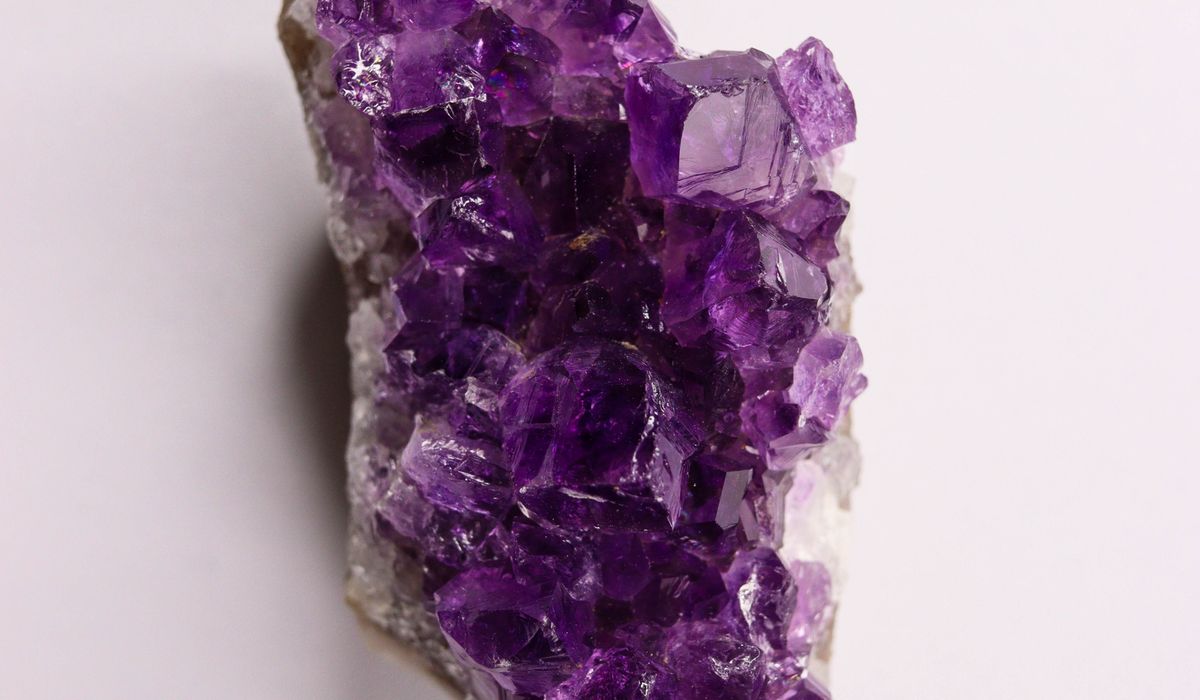
- 7: Quartz family – amethyst, citrine, smoky quartz, rose quartz
- 7.5–8: Beryl – emerald, aquamarine, morganite
- 8: Topaz, spinel
- 9: Corundum – ruby and sapphire
- 10: Diamond
Notice that many beautiful, affordable stones sit around 6 to 7. That is a sweet spot for earrings, pendants and brooches, which rarely knock against hard surfaces. For rings, you need to think more carefully.
Quartz: The Everyday Workhorse for Rings
Quartz, at 7, is a sensible choice for a ring you wear often. Amethyst, citrine, smoky quartz and rose quartz all share that hardness. They will resist the scratches that come from daily life – keys in a pocket, a brush against a wall, the clasp of a bag. But "resist" is not "immune". A quartz ring stored loose with a diamond will pick up scratches over time. A sharp knock can still chip the edge of a facet, especially on a large stone. For a ring that sees hard wear, many jewellers recommend corundum (ruby or sapphire) at 9, or diamond at 10. If you love quartz, choose a bezel setting or a cabochon cut, which protects the edges. And accept that after many years, a polish may be needed to restore its shine. That is normal and easy for a jeweller to do.
Softer Stones Need Thoughtful Wear
Pearls, opals, turquoise and amber are treasures of a different kind. They are soft, often porous, and sometimes brittle. Pearls sit between 2.5 and 4.5 – a fingernail can leave a mark. Opals are 5.5 to 6.5 but can crack if they dry out too quickly. Turquoise is 5 to 6 and can discolour from oils and cosmetics. Amber is 2 to 2.5, so it scratches if you look at it too hard. None of this means you should avoid them. It means you should wear them with intention. Pearls are perfect for earrings, a necklace or a brooch. If you wear a pearl ring, save it for occasions when you will not be using your hands roughly. Follow the old advice: pearls go on last, after perfume and hairspray, and come off first. Opals prefer a pendant or earring, where they catch the light but avoid knocks. Turquoise and amber shine in bracelets and necklaces, but keep them away from abrasive surfaces. Softer stones reward a little care with decades of beauty.
Storage That Protects Your Collection
Most gemstone damage happens in the jewellery box, not on your hand. A diamond ring tossed into a dish with a pearl necklace will scratch the pearl. A quartz bracelet rubbing against a sapphire bangle will slowly lose its polish. The solution is simple: separate, cushion, and label. Use a compartmentalised box or individual soft pouches. Roll pearls in a silk or cotton cloth. Keep opals in a slightly humid environment – a small piece of damp cotton wool in a sealed bag works, but do not soak them. Never store softer stones loose with harder ones. A good habit is to keep every piece in its own little pouch or section. That way, you can see what you have and protect it at the same time.
Cleaning and Daily Habits
For hard stones like quartz, corundum and diamond, warm water with a drop of mild washing-up liquid and a soft toothbrush is usually safe. Rinse well and pat dry with a lint-free cloth. Avoid ultrasonic cleaners for any stone with fractures, inclusions, or a softness below 7. Pearls, opals, turquoise, amber and coral should never go in an ultrasonic cleaner. Wipe them with a soft damp cloth and dry immediately. Remove all jewellery before swimming, showering, cleaning, gardening or exercising. Chlorine, sweat, and household chemicals can dull or damage many gems. A simple rule: your jewellery is the last thing you put on before leaving the house, and the first thing you take off when you return. That small ritual will keep your collection looking its best for years.


Leave a reply