


Why Raw Crystals Deserve a Thoughtful Spot
Raw crystals have a quiet, unpolished beauty that tumbled stones simply cannot match. Where a polished piece feels finished, a raw specimen feels like a fragment of the earth caught mid-sentence — all jagged edges, rough faces and unexpected flashes of colour. That texture is exactly why so many of us are drawn to them, and it is also why they can be tricky to display well. Pile too many together and a shelf starts to look like a geology crate rather than a calm corner of your home.
The good news is that raw specimens rarely need anything elaborate. A simple wooden bowl, a narrow floating shelf or a shallow tray on a windowsill will do more for them than an expensive cabinet ever could. The aim is to let each piece breathe, catch the light and feel intentional rather than accidental.
Start with a Single Anchor Piece
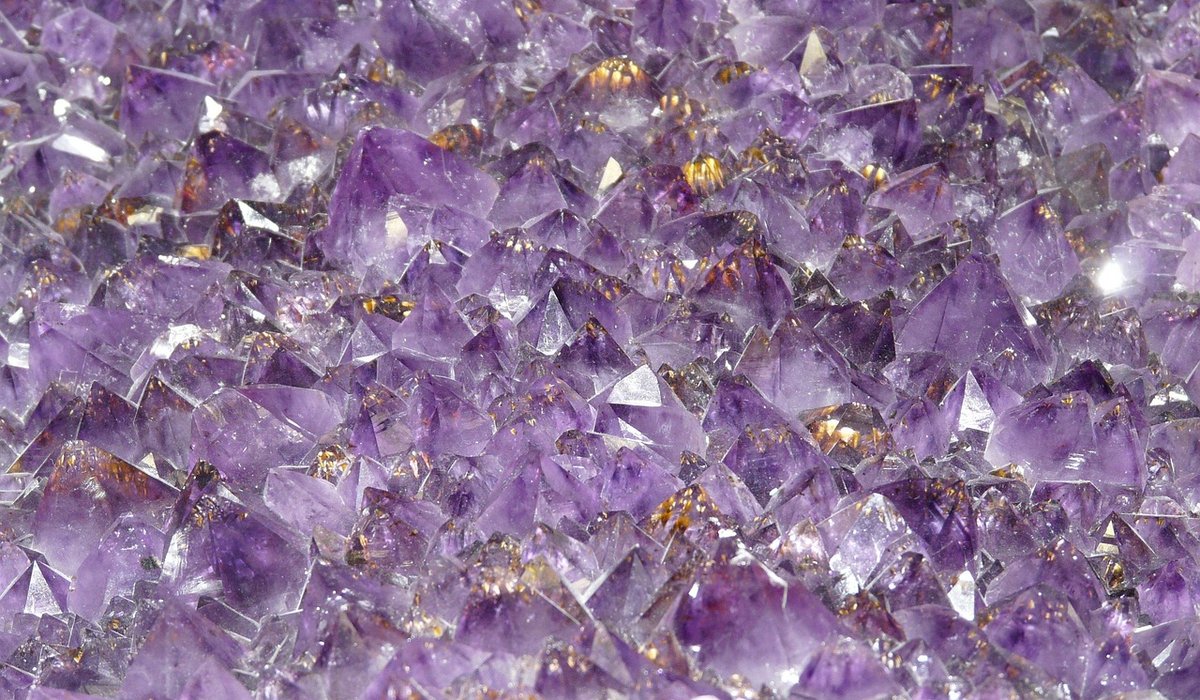
Before you think about groupings, choose one specimen you genuinely love — a chunk of clear quartz, a piece of raw amethyst, a lump of pyrite with its brassy gleam. Give it a home of its own first. A single stone on a small wooden coaster beside a lamp, or on the corner of a desk, instantly reads as a considered choice rather than clutter.
This matters because raw specimens are visually heavy. Their irregular shapes and matte surfaces catch shadows, so a little space around each one goes a long way. If your anchor piece looks settled, you have a reference point for everything else.
Use Bowls and Trays to Contain the Chaos
A shallow vessel is the most forgiving way to display raw crystal. It gathers several pieces into one tidy shape, which stops them from spreading across a surface, and the rim gives the eye a natural boundary.
- Wooden bowls: warm-toned oak or mango wood softens the cool, glassy look of quartz and calcite beautifully. Choose a bowl with a wide, low profile so stones sit in a single layer.
- Slate or ceramic trays: a dark tray makes pale specimens — selenite, milky quartz, white howlite — sing. Line it with a little natural fabric if you want to protect delicate pieces.
- Woven baskets: ideal for larger, chunkier specimens such as raw rose quartz or black tourmaline. A linen liner stops small fragments slipping through the gaps.
The rule of thumb is simple: one vessel, three to seven pieces, and no stacking. If you cannot see the base of a stone without lifting another, the bowl is too full.
Floating Shelves for a Calm, Gallery Feel
A narrow floating shelf at eye level turns raw specimens into a small exhibition. Keep it to a single row and leave at least a hand's width between each piece, so shadows fall cleanly rather than merging into one dark mass. A shelf around 60 to 90cm wide works well in most rooms and looks deliberate rather than crowded.
Fix the shelf away from direct heat sources and out of the path of radiators, since sudden temperature changes can stress minerals with natural fractures. If you are renting and cannot drill, a slim picture ledge resting on a sideboard gives a similar effect without any fixings.
A Windowsill Tray for Natural Light
Windowsills are tempting because the light is lovely, but they come with caveats. Amethyst, rose quartz, citrine and fluorite will fade in prolonged direct sunlight, sometimes within a single summer. Selenite and halite are water-soluble, so a tray near a kitchen window that gets splashed is a poor choice.
The compromise is a shallow tray on a north- or east-facing sill, where light is bright but indirect. A simple wooden or slate tray keeps water rings off the paintwork and makes it easy to lift the whole arrangement for cleaning. Rotate the stones every few weeks so no single face sits in the same light all year.
Group by Colour for a Softer Effect
Colour is the quickest way to make a scattered collection feel calm. Rather than mixing everything together, sort your raw specimens into loose families and give each one its own zone.
- Cool and clear: clear quartz, selenite, milky quartz and apophyllite — cooling, spacious and wonderful near a workspace.
- Warm and earthy: citrine, carnelian, raw amber and orange calcite — grounding and comforting in a living room.
- Deep and dusky: amethyst, lepidolite, charoite and purple fluorite — restful tones for a bedroom shelf.
- Green and mossy: green aventurine, malachite, raw emerald and serpentine — fresh and lively in a hallway or study.
Two or three colours per shelf is plenty. Beyond that, the eye has nowhere to rest and the calm effect disappears.
Small Habits That Keep a Display Fresh
Raw specimens gather dust in their rough crevices, and a dusty crystal loses much of its charm. A soft dry brush — an old makeup brush or a clean paintbrush — is ideal for weekly tidying, and a barely damp cloth works for smooth faces. Avoid soaking porous or layered minerals, and never use household cleaners on anything with a metallic lustre.
Every few months, take one piece out, look at it properly and decide whether it still earns its place. Rotating a specimen to a different room is often all it takes to fall in love with it again. Display, at its best, is not about having everything on show at once — it is about choosing what you want to notice today.


Leave a reply